
Great Captains of the Mexico National Team: The Leaders Who Shaped El Tri
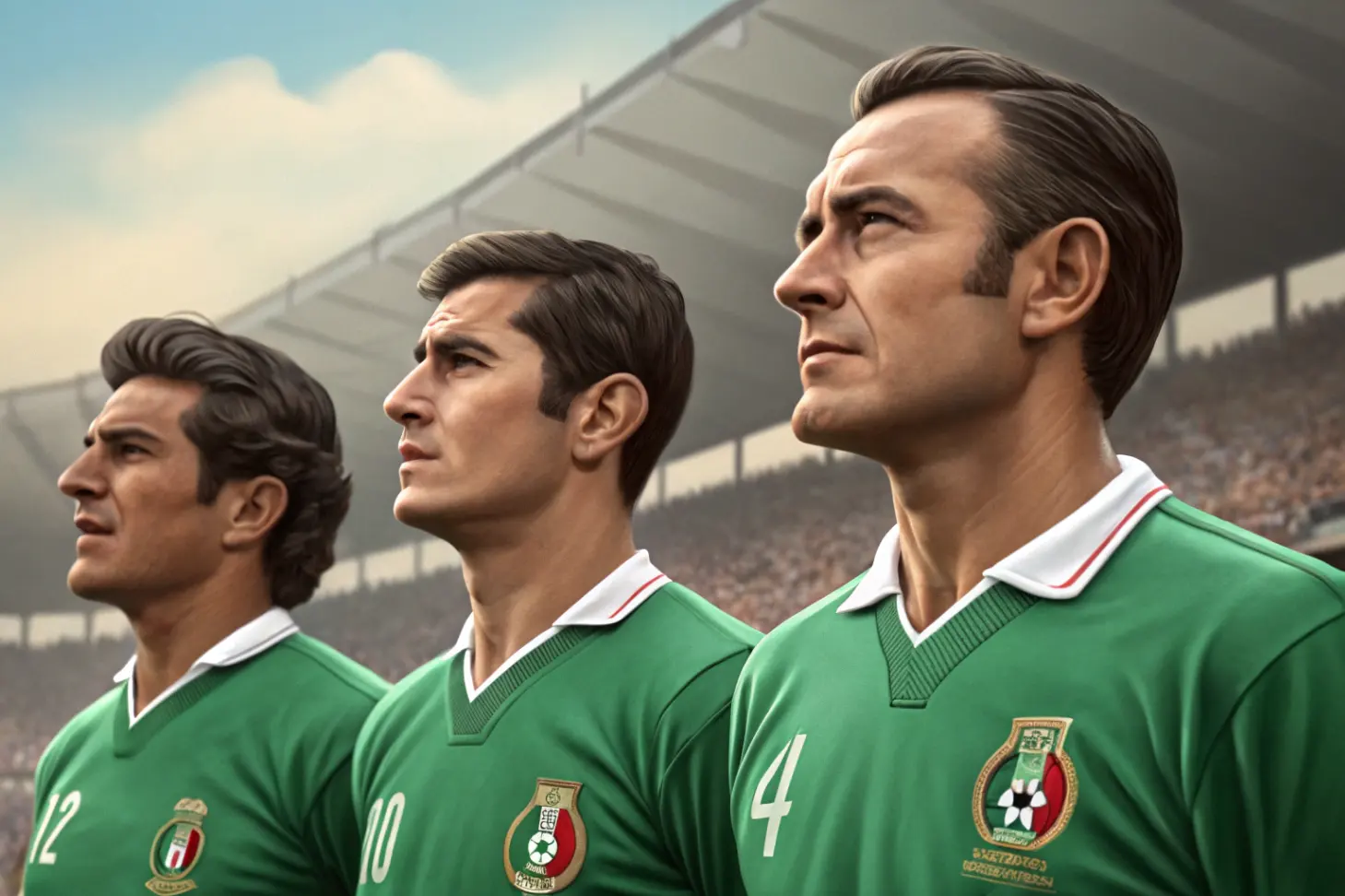
The history of Mexican football is inseparable from the captains who carried the team through its most iconic moments. These leaders were not only technically gifted but also influential figures capable of steering a squad through pressure, transition, and expectation. Their personalities, decisions, and resilience shaped the identity of El Tri, leaving a legacy that continues to influence modern generations. Understanding their impact helps uncover why Mexico remains one of the most passionate and competitive football nations in the world.
The Evolution of Leadership in Mexico’s National Team
Mexican football has always relied on strong individual characters, but the role of the captain became especially important as the sport professionalized and international competitions grew tougher. Early captains focused primarily on discipline and organization, while later leaders became ambassadors of tactical innovation and emotional stability. As Mexico entered World Cup cycles, captains were expected not only to motivate their teammates but also to embody the philosophy of Mexican football — technical fluency, tactical sharpness, and unwavering commitment. This evolution demonstrates how the captaincy became a symbol of national pride and responsibility, influencing both sporting and cultural identity.
Hugo Sánchez and the First Modern Era of Leadership
The Rise of a Global Mexican Icon
Hugo Sánchez is widely recognized for revolutionizing the perception of Mexican players abroad. Although not always the official captain, his leadership extended beyond the armband. Sánchez brought an international mentality to the national team, establishing a standard of professionalism and ambition. His time with Real Madrid transformed him into a global icon, and Mexico benefited from his experience in elite football environments. His presence inspired younger players to pursue European careers, elevating the team’s competitive dynamic and tactical adaptability.
How Sánchez Influenced Captaincy Standards
Sánchez emphasized confidence, work ethic, and technical skill, setting a benchmark for future captains. His approach promoted a belief that Mexican players could compete with the world’s best. Captains who followed embraced this mentality, turning leadership into a blend of individual excellence and collective responsibility. This transition helped modernize Mexico’s tactical structure and fostered a culture of ambition that still defines the national team.
Rafael Márquez: The Ultimate Defensive Leader
A Captain Across Generations
Rafael Márquez is considered by many the greatest captain in Mexico’s history. His career spanned five World Cups, a record that reflects both longevity and elite performance. Márquez was a complete defender — calm, elegant with the ball, and tactically astute. His leadership style was composed yet demanding, ensuring that the defensive line remained disciplined even against top international opponents. Under his captaincy, Mexico consistently reached the knockout stage of the World Cup, proving his ability to lead in high-pressure environments.
Tactical Intelligence and Global Influence
Márquez played for FC Barcelona, where he absorbed advanced tactical concepts that he later incorporated into the national team. His understanding of positioning, transitions, and buildup play allowed Mexico to adopt more sophisticated strategies. There came a point in the article where a structured summary of his traits becomes useful to highlight what made him such a unique captain. Before presenting the list, it is important to clarify that Márquez’s influence extended beyond his defensive skills and shaped the mindset of the entire squad.
Below is a concise look at the core qualities that defined his leadership:
Exceptional tactical awareness that elevated team strategy.
Ability to maintain composure under pressure.
Clear communication on and off the pitch.
Experience in elite European competitions.
Strong mentorship for younger players.
These qualities created a foundation for a generation of defenders and midfielders who benefited from his presence. After Márquez retired, many players acknowledged that his standards of discipline and professionalism reshaped their approach to training and competition.
Cuauhtémoc Blanco: Emotional Leadership and Creative Freedom
A Captain Who Inspired Through Passion
Cuauhtémoc Blanco embodied a different but equally influential leadership style. Charismatic, emotional, and unpredictable, Blanco used creativity to shift the energy of entire matches. His famous “cuauhtemiña” move and his ability to control the tempo made him a fan favorite and a natural leader. While not always the captain by official designation, his presence was enough to motivate the squad, especially during tense World Cup qualifiers.
Respect Through Authenticity
Blanco earned respect by staying true to his style — expressive, bold, and confident. He demonstrated that leadership could be defined not only by discipline but also by inspiration. As a captain figure, he encouraged teammates to play with freedom and trust their instincts. His leadership approach expanded the concept of captaincy within El Tri, proving that emotional intelligence could be as impactful as tactical precision.
Andrés Guardado: The Modern Captain of Balance and Consistency
A Bridge Between Generations
Andrés Guardado served as Mexico’s captain during an era of transition, connecting veteran players with a new generation emerging in Europe. His reliability and humility made him an ideal leader, respected by teammates and coaches alike. Guardado’s ability to adapt to multiple midfield roles allowed Mexico to remain tactically flexible. His leadership became especially important during major tournaments such as the Gold Cup and World Cup qualifiers.
Statistical Insights and Legacy
Before reviewing the table below, it is helpful to understand that Guardado’s legacy is supported not just by his leadership qualities but also by his consistent performance. His national team career demonstrates endurance and excellence across numerous tournaments. The table highlights key metrics that reflect his longevity and influence:
| Captain | National Team Caps | World Cups Played | Leadership Style |
|---|---|---|---|
| Rafael Márquez | 147 | 5 | Tactical, composed |
| Andrés Guardado | 185+ | 4 | Balanced, disciplined |
| Cuauhtémoc Blanco | 120 (incl. unofficial) | 3 | Emotional, creative |
These numbers illustrate how each captain contributed differently to the identity of El Tri. After examining the table, it becomes even clearer why Guardado is often described as a unifying leader — dependable, strategic, and technically refined.
Conclusion: The Future of Captaincy in Mexican Football
The captains of Mexico’s national team have shaped not only match results but also the cultural identity of football in the country. Hugo Sánchez brought global ambition, Rafael Márquez provided tactical authority, Cuauhtémoc Blanco added emotional fire, and Andrés Guardado delivered consistency and balance. Each captain created a model for leadership that future generations can draw upon. As new talents rise, the legacy of these iconic figures will continue to guide Mexico’s pursuit of success on the international stage.