
American-Born Players in Mexico’s National Team: Who They Are and Why It Matters
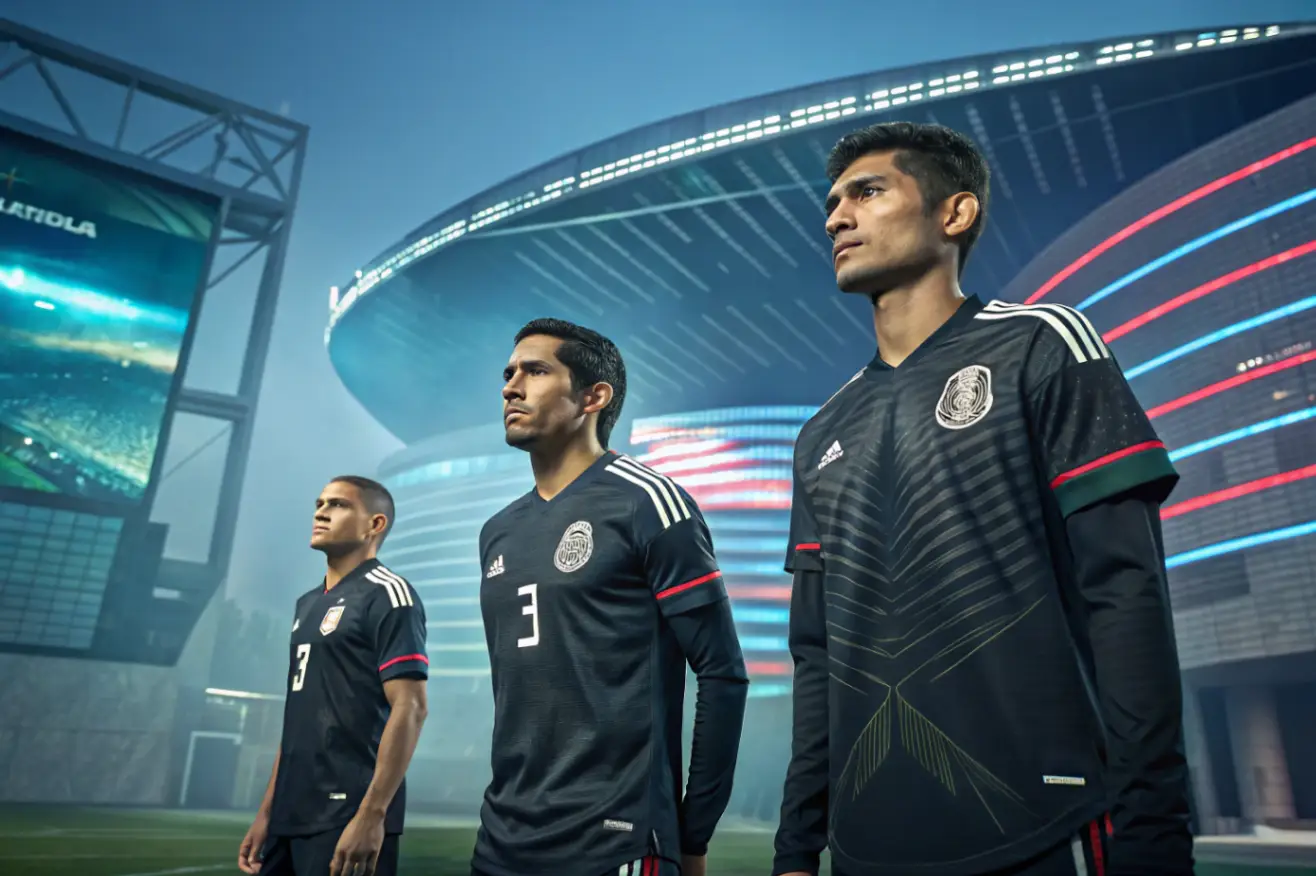
Mexico’s national team has always been built on identity, passion, and a football culture that feels uniquely its own. Yet over the last decade, one storyline has become impossible to ignore: more and more players with American backgrounds are appearing in El Tri squads. Some were born in the United States, others grew up there, and many developed through U.S. youth soccer before choosing Mexico at senior level.
For some fans, this trend is inspiring—a sign that Mexico is expanding its talent pool and adapting to modern football realities. For others, it sparks debate about national identity, player loyalty, and whether development in the U.S. changes the way Mexico plays. The truth is more nuanced than the headlines. These players are not “outsiders” parachuting in; many have deep cultural and family ties to Mexico. But their presence does represent a shift in how Mexico competes, recruits, and defines itself in an increasingly global game.
The Rise of American-Born Talent in Mexico’s National Team
The United States has one of the largest Mexican-origin populations in the world, and that demographic reality naturally spills into football. For decades, Mexican-American players existed in the background—sometimes scouted, sometimes overlooked, sometimes caught between two federations. What has changed is how visible and consistent the pipeline has become.
In the modern era, Mexico’s national team scouts have expanded their reach. They monitor academies in California, Texas, Arizona, Illinois, and beyond. They track MLS youth systems, U.S. college soccer, and increasingly, dual-national players who might not have a straightforward path into the U.S. national team. Mexico, meanwhile, offers a powerful alternative: a massive fanbase, historic prestige in CONCACAF, and a pathway to major tournaments like the Gold Cup, Copa América appearances, and of course the World Cup.
It’s also important to understand that “American past” doesn’t always mean the same thing. Some players are U.S.-born but raised in Mexico from childhood. Others are raised entirely in the U.S. but speak Spanish at home and visit family in Mexico constantly. Some feel emotionally Mexican first, even if their passport says otherwise. This range of personal stories is part of why the topic matters—because it forces football conversations to intersect with culture, migration, and identity.
From a sporting perspective, these players often bring a slightly different formation of skills. Growing up in U.S. soccer environments can emphasize athletic development, structured coaching, and early exposure to modern training methods. Mexican football culture, meanwhile, traditionally emphasizes technique, creativity, and comfort in tight spaces. When these worlds blend, Mexico can gain tactical variety—more physical presence in duels, more positional discipline, and sometimes a more direct style when needed.
This is not about replacing Mexican football identity. It’s about widening the definition of what Mexican football looks like in 2026 and beyond. In a competitive international landscape, national teams that adapt intelligently tend to survive and thrive.
Key American-Born Players Who Have Represented Mexico
Before debating what American-born players mean for Mexico, it helps to know who they are. The list is longer than many casual fans realize, and it includes players across different eras, positions, and levels of impact. Some became core starters, others were depth options, and some were symbols of a new recruiting era.
Below is a practical overview of notable names often discussed when talking about U.S.-born or U.S.-raised players in Mexico’s national team. These players represent different pathways: MLS academies, Liga MX youth development after moving, or dual-national decisions shaped by opportunity and identity.
Table: American-Born or U.S.-Developed Players in Mexico’s National Team
| Player | Birthplace | Position | Development Background | Why They Matter |
|---|---|---|---|---|
| Ricardo Pepi | El Paso, USA | Striker | U.S. youth + MLS pathway | High-profile dual-national decision and modern No.9 profile |
| Julián Araujo | California, USA | Right back | MLS academy + pro experience | Represents cross-border scouting and fullback depth |
| Efraín Álvarez | California, USA | Attacking mid/wing | MLS youth development | Creative option shaped by U.S. academy system |
| Jonathan González | Texas, USA | Midfielder | Youth in USA + Liga MX | One of the most debated “switch” cases |
| David Ochoa | California, USA | Goalkeeper | U.S. youth + MLS | Example of Mexico recruiting specialized positions |
| Brandon Vázquez | California, USA | Striker | U.S. development + MLS | Illustrates the competition for dual-national forwards |
| Miguel Ponce | California, USA | Left back | Moved to Mexico young | Shows that “born in USA” can still mean fully Liga MX-developed |
| Edgar Castillo | New Mexico, USA | Left back | U.S. youth + pro career | Earlier generation example of dual-national inclusion |
This table isn’t meant to be a ranking of quality. Instead, it highlights the diversity of profiles. Some of these players had short national-team windows, while others became central talking points in Mexico vs USA rivalry narratives. And that rivalry matters here, because dual-national recruitment often becomes symbolic in CONCACAF—almost like a “tug-of-war” for identity and future dominance.
What makes these cases so interesting is that Mexico’s approach has evolved. In the past, dual-national players were sometimes treated like short-term options. Today, they can be seen as long-term investments. The federation has improved outreach, communication, and youth integration to ensure that players don’t just appear once—they feel like part of the program.
In the best cases, American-born players are not “imports.” They are Mexicans with a different football upbringing, bringing a complementary toolkit to the squad.
Why These Players Choose Mexico Over the United States
The question fans ask most often is simple: why would a player born in the U.S. choose Mexico? The answer is rarely just one thing. It usually comes down to a combination of identity, opportunity, and career strategy.
For many Mexican-American players, Mexico is not a second choice—it is the emotional first choice. They grow up with Mexican parents, Mexican traditions, and Mexican football on television. They wear Mexico jerseys long before any federation calls them. In those cases, choosing Mexico feels like aligning their professional life with their personal identity.
But there are also practical reasons. International football is competitive, and the U.S. and Mexico offer different pathways. A player might see a clearer route to senior minutes with Mexico, especially if their position is crowded in the U.S. pool. On the other hand, Mexico has its own depth issues, and some roles—like modern strikers or athletic fullbacks—have been areas where dual-national recruitment becomes particularly attractive.
Here are some of the most common factors that shape the decision, and why it matters for Mexico’s recruitment strategy:
- Family and cultural identity, including language and community ties.
- A stronger emotional connection to Mexico’s football history.
- A clearer opportunity to earn caps and become a regular starter.
- Better alignment with playing style and positional needs.
- Long-term career benefits, including Liga MX exposure and marketing value.
- Relationships built early with Mexico’s youth coaches and scouting network.
These reasons often overlap. A player can be deeply Mexican culturally and still recognize that Mexico offers a better sporting fit. The list above also shows something important: dual-national choices are not automatically “controversial.” They are part of the modern football ecosystem. In Europe, Africa, and South America, federations compete for players with multiple passports all the time.
The more important question is what happens after the decision. When Mexico integrates American-born players properly, the result is cohesion, trust, and continuity. When the integration feels rushed or opportunistic, the player may struggle with pressure, fan skepticism, or tactical confusion.
Mexico’s best outcomes come when these players enter the system early, build chemistry with teammates, and are treated like long-term pieces rather than short-term headlines.
What It Means for Mexico’s Playing Style and Team Identity
The impact of American-born players is not only cultural—it can be tactical. Mexico’s national team has historically been associated with technical ability, quick passing, and fluid movement. But international football has changed. Teams press more aggressively, transitions are faster, and physical intensity is higher. Mexico has had to adapt, especially when facing elite opponents outside CONCACAF.
Players shaped by U.S. soccer environments can add specific qualities that Mexico sometimes lacks in certain cycles. This does not mean they are automatically “more athletic” or “more modern,” but their development pathways often emphasize structure, strength, and high-tempo systems. When combined with Mexico’s technical tradition, the squad can become more balanced.
In practical terms, these players may influence:
Mexico’s pressing structure can become more consistent, especially when wingers and fullbacks are used to coordinated pressing triggers. Defensive transitions can improve when midfielders are trained to recover shape quickly. Mexico can also gain more flexibility in attacking patterns, including more direct runs behind the defense—something that becomes crucial against teams that sit deep and force Mexico to break them down.
Still, identity debates are real. Some fans worry that relying on American-born players could dilute the “Mexican essence” of the national team. But identity is not only about birthplace. It’s about connection, commitment, and what a player brings to the shirt. Many of these players sing the anthem with pride, speak Spanish fluently, and feel they represent their families as much as the federation.
If anything, the presence of American-born players highlights how Mexican identity has always extended beyond borders. Mexican culture exists strongly in U.S. cities, and football is one of the most visible expressions of that connection. When those players represent Mexico, they are not erasing tradition—they are reflecting the reality of Mexican life across North America.
From a performance perspective, the real challenge is not “where they were born.” The challenge is building a coherent tactical plan that uses the best traits of every player, regardless of background. Mexico’s future success depends on coaching clarity, modern preparation, and selecting players who fit the system—not just the narrative.
The Debate: Opportunity, Development, and the Liga MX Factor
This topic always circles back to development. Some critics argue that if Mexico needs American-born players, it must mean the domestic system is failing. Others see it as a natural evolution—an intelligent expansion of the talent pool in a region where migration has shaped society for generations.
The truth is somewhere in the middle. Liga MX remains a strong league with high-level coaching and intense competitive pressure. But it also faces structural challenges, especially around giving young players consistent minutes. When a Mexican teenager struggles to break into a Liga MX first team, while a dual-national player gets professional development through MLS pathways, the competitive balance shifts.
That doesn’t automatically make MLS “better,” but it does create different opportunities. MLS clubs often invest heavily in academies and give young players a clearer route into senior football. Mexico has world-class talent, but the bridge from youth to professional minutes can be less predictable. That gap is one reason why Mexico scouts in the U.S. more actively now than ever.
There is also a psychological dimension. American-born players entering Mexico’s team sometimes carry a “prove it” mentality. They are aware of skepticism, so they fight to show they belong. That edge can be valuable in high-pressure matches, especially in World Cup qualifiers and rivalry games.
At the same time, the federation must be careful not to create a perception that domestic players are being pushed aside. The healthiest model is balance: develop elite talent in Mexico while also embracing dual-national players who genuinely raise the level. The goal is not to “Americanize” the team. The goal is to win—while still playing with pride and identity.
If Mexico handles this well, it can strengthen its squad depth dramatically. Injuries, suspensions, and tournament congestion require more than a starting eleven. A modern national team needs 25–30 players who can perform at international level. American-born talent expands the options and increases competition for places, which can elevate standards across the board.
What This Trend Could Mean for Mexico at the 2026 World Cup and Beyond
With the 2026 World Cup in North America, Mexico is under intense pressure to deliver a strong performance. Hosting changes expectations. Fans want more than survival—they want a run that feels meaningful, a team that competes with top nations, and a squad that reflects Mexico’s pride on the biggest stage.
American-born and U.S.-developed players could play a major role in that future, not because of marketing or headlines, but because of depth and tactical flexibility. World Cups are brutal tournaments. Teams need options: a striker who can press and run channels, a fullback who can defend wide spaces, a winger who can change pace, a midfielder who can stabilize the game under pressure.
The most important factor will be integration. If Mexico builds continuity—calling players consistently, defining roles clearly, and creating a stable tactical identity—then the team can benefit from the best of both worlds. Mexico can keep its traditional strengths while improving its modern demands: pressing, transition defense, and athletic intensity.
In the long term, this trend may also change how young Mexican-American players view their future. They may feel that Mexico is a realistic pathway, not a distant dream. That can strengthen the national team pipeline for years. But it also means Mexico must compete smarter, because the U.S. is also improving its recruitment and development. The battle for dual-national players will only get more intense.
Ultimately, American-born players in Mexico’s national team are not a threat. They are a reflection of Mexico’s extended football identity across borders. They represent families, communities, and football cultures that exist on both sides of the line. If Mexico embraces that reality with confidence, the team can become deeper, more versatile, and more competitive in the modern game.
Conclusion
American-born players in Mexico’s national team are not a temporary trend—they are part of the future. Their presence highlights the powerful connection between Mexico and the Mexican diaspora in the United States, and it expands the idea of what Mexican football can be.
The real meaning is not about passports. It’s about building a stronger squad through smarter scouting, modern development pathways, and a team culture where every player—whether raised in Guadalajara or Los Angeles—feels fully committed to the badge. If Mexico gets that balance right, it won’t just win recruitment battles. It will win matches that matter.